
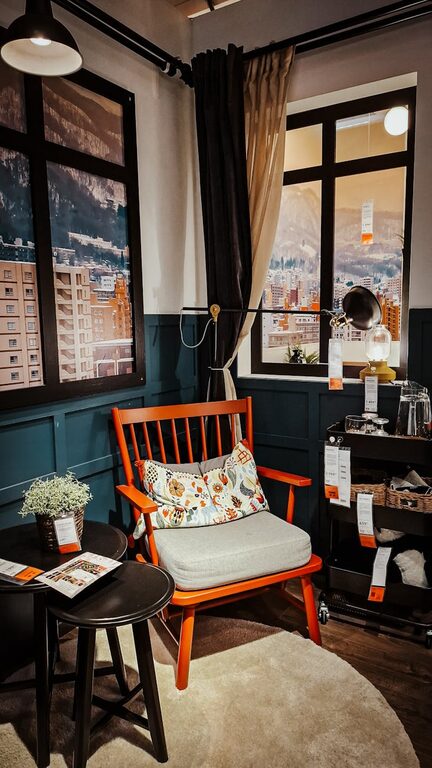
Creating a comfortable home environment goes beyond furniture and color schemes—lighting plays a vital role in setting the mood and functionality of your space. Poor lighting can cause eye strain, disrupt sleep, and even affect your overall well-being. Choosing the right lighting means balancing aesthetics with practicality to ensure each room feels inviting and works well for its intended use.
In this post, we’ll explore various tips to help you select comfortable home lighting that enhances your living spaces.
Understand Different Types of Lighting
Before diving into choices, it’s important to know the three main categories of lighting:
– Ambient Lighting: The general lighting that fills the room, usually from ceiling fixtures or large lamps. It provides overall illumination.
– Task Lighting: Focused lighting for specific activities like reading, cooking, or working at a desk.
– Accent Lighting: Used to highlight artwork, architectural features, or decorative items.
Balancing these three types creates layers of light that add depth and comfort.
Consider the Color Temperature
Color temperature describes the hue of the light and is measured in Kelvins (K):
– Warm Light (2700K–3000K): Produces a cozy, yellowish glow, ideal for living rooms and bedrooms.
– Neutral Light (3500K–4100K): Balanced white light suitable for kitchens and bathrooms.
– Cool Light (5000K–6500K): Bright, bluish light that mimics daylight, often used for workspaces.
Choosing the right color temperature influences the room’s mood. Warmer tones tend to be more relaxing, while cooler tones can make a space feel more energetic and alert.
Use Dimmers to Control Brightness
Installing dimmer switches is an excellent way to adjust lighting levels based on the time of day or activity. They give you flexibility, allowing bright settings for tasks and softer lighting for relaxation.
When selecting bulbs, make sure they are compatible with dimmers to avoid flickering or damage.
Opt for Adjustable Fixtures
Lighting fixtures with adjustable arms or heads allow you to direct light exactly where it’s needed. For example, an adjustable reading lamp beside a chair improves comfort by reducing glare and shadows.
Similarly, track lighting or wall-mounted fixtures can be repositioned to highlight different parts of a room as needed.
Pay Attention to Lighting Placement
Where you place your lighting fixtures can significantly impact comfort:
– Avoid direct overhead lighting in places where you sit for long periods, as it can create harsh shadows or glare.
– Use lamps with shades to diffuse light softly and prevent eye strain.
– Consider under-cabinet lighting in kitchens for better task illumination.
– Use multiple light sources in a room to create balanced lighting rather than relying on one bright fixture.
Choose the Right Bulbs
LED bulbs have become the standard for home lighting due to their energy efficiency and long life. When selecting bulbs, look for:
– High Color Rendering Index (CRI): A CRI above 80 means colors will appear more natural under the light.
– Appropriate Lumens: Lumens measure brightness. A living room might use bulbs with 800 lumens, while a reading nook may only need 400.
– Bulbs free from flicker and buzz, which can cause discomfort over time.
Embrace Natural Light
Maximizing natural light is one of the simplest ways to improve comfort. Use sheer curtains or blinds to control glare while letting sunlight in. Position frequently used seating or work areas near windows if possible.
Also, consider using mirrors or light-colored walls to reflect daylight and brighten the space.
Match Lighting to Room Function
Each room has different lighting needs based on how it’s used:
– Living Rooms: Layer ambient with task and accent lighting for versatility. Warm light promotes relaxation.
– Kitchens: Bright, neutral light with focused task lamps near countertops is best.
– Bedrooms: Soft, dimmable warm lighting encourages restful atmospheres.
– Home Offices: Use cool, bright lights to improve alertness; avoid glare on screens.
Create Ambiance with Smart Lighting
Smart bulbs and lighting systems offer the ability to adjust color, brightness, and schedules via smartphone or voice commands. This flexibility allows users to tailor lighting to their preferences, supporting comfort throughout the day.
For example, you could program cooler light for morning hours and warmer light for evenings to support natural body rhythms.
Final Thoughts
Choosing comfortable home lighting involves understanding the purpose of each room, incorporating different types of light, and selecting bulbs and fixtures that enhance both function and style. By considering color temperature, brightness control, and placement, you can create inviting spaces that look great and feel good to live in.
Experiment with lighting options and make adjustments over time—comfortable home lighting is all about personal preference and adapting as your needs change.