
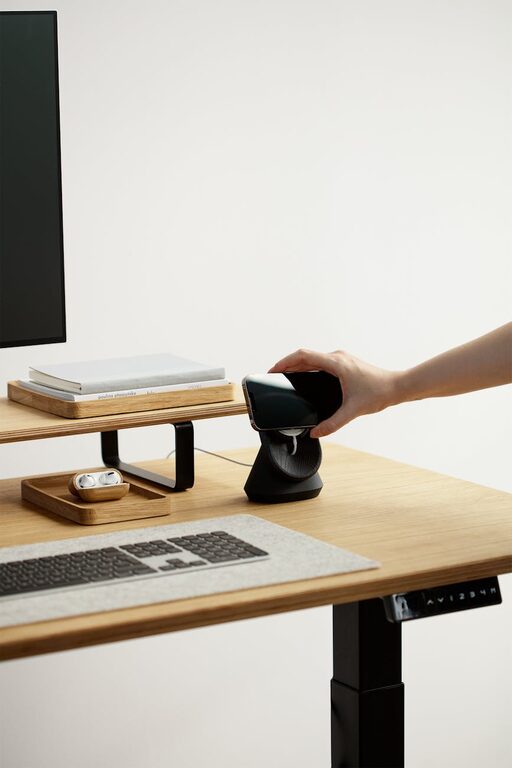
Creating a workspace that promotes both focus and comfort is essential for anyone who spends hours at a desk. Whether you work from home or in an office, a thoughtfully arranged desk can boost productivity, reduce fatigue, and make your day more enjoyable. In this post, we’ll explore practical tips on how to set up your desk to maximize comfort and concentration.
Why a Good Desk Setup Matters
Many people underestimate how much their environment impacts their work. A cluttered or uncomfortable workspace can distract you, cause physical strain, and ultimately reduce your efficiency. By focusing on ergonomic principles and thoughtful organization, you can create a desk setup that supports your body and mind throughout the workday.
—
Essential Elements for a Focus-Friendly Desk Setup
1. Choose the Right Desk and Chair
Your desk and chair are the foundation of your workspace. Here’s what to consider:
– Desk height: Ideally, your desk should be about elbow-level when you sit down, roughly 28-30 inches high for many people.
– Chair support: Use an adjustable chair with good lumbar support to maintain natural spinal curves.
– Adjustability: Both desk and chair should allow easy adjustments to fit your height and posture.
Investing in a quality chair and desk that suit your body can prevent discomfort and encourage longer, focused work sessions.
2. Position Your Monitor Correctly
Incorrect screen placement can cause neck and eye strain. Follow these guidelines:
– Eye level: The top of your monitor screen should be at or slightly below eye height.
– Distance: Place the monitor about an arm’s length away.
– Avoid glare: Position the screen to avoid reflections from windows or lighting.
If you use multiple screens, arrange them so your head doesn’t have to turn excessively.
—
Organizing for Productivity and Comfort
3. Keep Your Desk Clutter-Free
A clean desk helps clear your mind. Try these tips:
– Use organizers or trays for small items like pens and paper clips.
– Only keep daily essentials on your desk.
– Store documents in drawers or file holders to minimize piles.
A tidy desk reduces distractions and makes it easier to focus on your tasks.
4. Use Proper Lighting
Lighting affects your mood and ability to concentrate. Aim for:
– Natural light: Place your desk near a window if possible.
– Task lighting: Use an adjustable desk lamp for focused lighting.
– Avoid harsh overhead lights: Soft, diffuse light reduces eye strain.
Adjust lighting settings throughout the day to stay comfortable.
—
Ergonomic Accessories to Enhance Comfort
5. Invest in a Good Keyboard and Mouse
Ergonomic input devices can minimize hand and wrist discomfort.
– Keyboard: Consider split or curved designs to keep wrists straight.
– Mouse: Choose a mouse that fits your hand comfortably; vertical mice promote a neutral wrist position.
– Position: Keep these devices close to avoid overreaching.
6. Add a Footrest and Wrist Support
Small accessories can make a big difference:
– A footrest helps maintain proper leg positioning if your feet don’t rest flat on the floor.
– Wrist pads can provide cushioning while typing or using the mouse.
These tools promote healthy posture and reduce strain over time.
—
Maintaining Comfort and Focus While You Work
7. Take Regular Breaks
No matter how perfect your setup, sitting too long harms your focus and health.
– Follow the 20-20-20 rule: every 20 minutes, look at something 20 feet away for 20 seconds.
– Stand up and stretch or walk every hour.
– Use reminders or apps to prompt movement.
Frequent breaks reduce eye strain and keep your energy up.
8. Personalize Your Space
Adding personal touches makes your desk inviting but keep it minimal to avoid clutter.
– A small plant for fresh air and a natural touch.
– A photo or artwork that inspires you.
– A comfortable cushion or blanket if needed.
Personalization can boost your mood and make your workspace feel welcoming.
—
Final Thoughts
Creating a desk setup designed for focus and comfort takes some trial and error but is well worth the effort. Prioritize ergonomic furniture, proper lighting, organized spaces, and small accessories to support your body. Remember to take regular breaks and personalize your area so it feels inviting. With these tips, you can transform your desk into a productive haven where you can work efficiently and comfortably every day.
Feel free to experiment with these ideas and tailor them to your unique needs. Your best workspace is one that supports both your body and mind in the best way possible!