
Keeping your fridge and pantry tidy not only looks great but also helps you save time, reduce food waste, and maintain a healthier kitchen environment. With a few simple steps, you can transform these essential storage spaces into organized, easy-to-navigate areas that support your cooking and shopping habits. In this post, we’ll guide you through practical ways to keep your fridge and pantry neat and orderly.
Why Organize Your Fridge and Pantry?
Before diving into the how-to, let’s quickly review the benefits of keeping these spaces tidy:
– Easier Meal Planning: When everything is visible and in its place, it’s simpler to plan meals and grab ingredients quickly.
– Reduced Food Waste: Organized storage helps you use items before they expire.
– Saves Time and Money: Less time searching means more time cooking; clear inventory prevents unnecessary purchases.
– Improved Cleanliness: Regular organization prevents spills and contamination.
Getting Started: Declutter and Clean
Step 1: Empty Everything Out
Remove all items from your fridge and pantry. This gives you a clear view of what you have and what needs to be discarded.
Step 2: Check Expiration Dates
Sort items by their expiry status:
– Toss expired or spoiled foods.
– Set aside items you want to use soon.
Step 3: Clean Shelves and Containers
Wipe down all surfaces with a gentle cleaner or a mixture of water and vinegar. Dry thoroughly before returning items.
Organizing the Fridge
Your fridge usually has several sections that can be arranged strategically.
Categorize Items
Group similar items together:
– Fruits and vegetables
– Dairy products
– Meats and proteins
– Condiments and sauces
– Leftovers
Use Clear Storage Containers
Containers keep smaller items organized and prevent spills. Transparent boxes help you see what’s inside easily.
Assign Zones
Designate specific areas for each category:
– Crisper drawers for fresh produce
– Top shelves for dairy and eggs
– Bottom shelves for raw meats (to avoid cross-contamination)
– Door shelves for condiments and drinks
Label Your Containers and Shelves
Labels help household members know where to put things back. Use removable or write-on labels.
First-In, First-Out (FIFO) Method
Place new groceries behind older ones. This encourages using older items first, reducing waste.
Organizing the Pantry
A well-organized pantry makes finding ingredients faster and helps you keep track of your stock.
Group Items by Type
Sort items into groups such as:
– Baking supplies (flour, sugar, baking powder)
– Canned goods
– Grains and pasta
– Snacks
– Spices and herbs
– Beverages
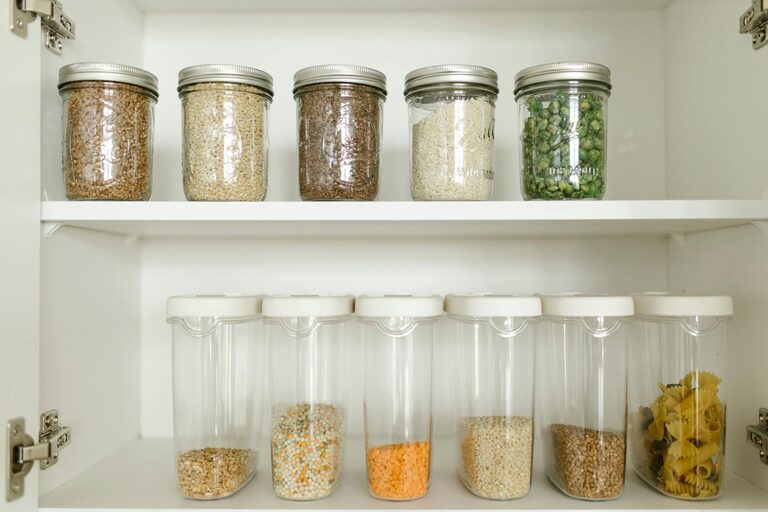
Use Clear Jars and Containers
Transfer loose items like rice or beans into airtight containers. This keeps them fresh and prevents pests.
Label Everything
Label every container with the item name, and consider adding expiration dates for easy monitoring.
Utilize Storage Solutions
– Use baskets or bins to corral similar items.
– Install adjustable shelves for flexible storage.
– Consider a lazy Susan for easy access to small jars and bottles.
Keep Frequently Used Items Accessible
Place everyday ingredients at eye level for ease of use.
Maintain Your Organized Spaces
Regularly Review Contents
Set a reminder every month or two to check your fridge and pantry, removing expired or unused items.
Clean Spills Immediately
Wipe up any messes as soon as they occur to keep surfaces clean and discouraging pests.
Update Labels as Needed
Keep your labeling system current to avoid confusion.
Communicate with Household Members
Encourage everyone in your home to return items to their designated places.
Bonus Tips for Success
– Make Shopping Lists Visible: Keep a list on the fridge for items you need to restock.
– Freeze Excess Produce: Preserve fresh fruits and veggies before they spoil.
– Rotate Seasonal Items: Store out-of-season products in less accessible areas.
Conclusion
A tidy fridge and pantry contribute greatly to a smooth and enjoyable cooking experience. By investing a bit of time in decluttering, grouping, labeling, and maintaining, you can keep your kitchen’s storage neat and functional all year round. Start small, and you’ll soon notice the benefits – less waste, better meals, and a more peaceful kitchen space. Happy organizing!